


Destinations
❮Main Menu


Spanish cuisine is very flavorful, and is a quintessential Mediterranean diet, befitting the world`s largest olive oil producer and second-largest wine producer. Spain`s former colonies all over the world influenced the cuisine at home, in everything from tomato sauce to saffron. Today, the various regional staple delicacies represent history and tradition. With that said, Spain is also well-known as a cutting-edge food destination, and one city in particular, San Sebastian, boasts the second-highest per capita concentration of Michelin-starred restaurants in the world. So break bread (pan), order some tapas, and start your Spanish foodie journey! You can learn more about Spain's noteworthy food and wine cities by clicking here or explore more World Cuisines!
Spain eats, breathes, and lives food. From bustling markets to ancient olive groves, its diverse regions offer an unmatched gastronomic adventure. Whether you’re savoring tapas in a crowded Madrid bar, exploring an Andalusian vineyard, or enjoying wandering the bustling market stalls in Barcelona, Spain’s food culture promises a journey as rich and diverse as its history.
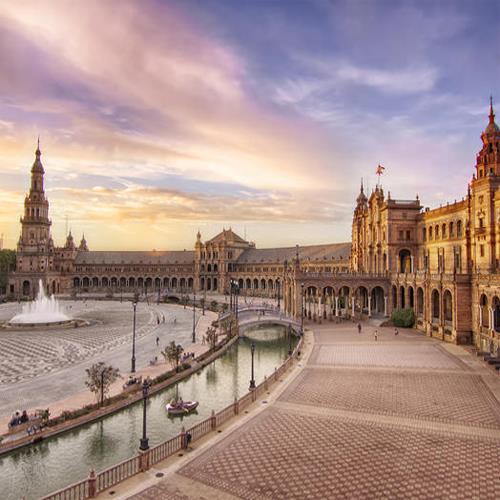
Enjoy art, architecture, and cuisine with the ultimate Spain itinerary starting in Madrid, Spain’s capital, continuing to Seville, the cultural heart of Andalusia, followed by Moorish history in Granada, and finally Barcelona’s Mediterranean energy.

Central Spain contains some of the last great unexplored areas, as well as some of its most glorious architectural and historic treasures. Mile upon mile of empty roads lead you from one to another of the great cities and forgotten villages. This Spanish heartland is a mountainous region where wildlife flourishes and the mid-summer sun bakes the land.

Andalucia, comprising much of southern Spain, is a land of culture, history, fiestas, and excellent food, featuring outstanding monuments and gorgeous natural landscapes. It is home to Granada and the Alhambra Palace; Cordoba and the Mezquita; Seville with its Cathedral and Alcázar; and popular festivals such as the Carnival in Cadiz and the April Fair in Seville.

Stretching over 200 miles from Almeria to Tarifa, with wide sweeps of golden sand, white-washed villages, excellent golf, alfresco dining, fantastic warm weather year-round, a wide variety of outdoor activities and some spectacular scenery make the Costa del Sol one of Spain`s most popular tourist destinations. Come experience this gem for yourself!

A well-kept secret that is unspoiled by mass tourism, the Costa de la Luz offers wide, sandy beaches backed by dunes and pine forests, watched over by ancient white hilltowns dating back to Moorish times. The Costa de la Luz gets its name from the brilliant, vivid light that highlights the whitewash of its villages, the golden dunes and silver sea`s reflection.

The Costa de Almería is perhaps the most diverse and unspoiled of the costas, with over 125 miles of diverse and predominantly natural coastline with everything from popular resorts to rocky coves and naturalist beaches. Plus inland desert landscapes and the most pure and intense light! A light which gives Almería the highest number of daylights hours in the world.

Rich in history, dating back to the Romans and Moors, Spain`s white villages offer historical castles and ruins with incredible views. Take a step back in time, unwind and enjoy a stroll along their labyrinths of narrow, decorative clean streets, savor local food, breathe in the pure unspoiled mountain air, and take countless photos!

Jerez de la Frontera, Sanlucar de Barrameda and El Puerto de Santa María form a triangle of generous land where the vine has reigned from time immemorial. The Sherry Triangle represents the only geographical location in the world where sherry can be produced legally. It is also a place of exceptional beauty, beautiful beaches and dancing horses!

The Green Coast, or Green Spain, is the beautifully lush area in the extreme north of Spain, consisting of Galicia, Asturias, Cantabria, and the northern part of the Basque Country, all of which receive more rain than the rest of the country. Verdant and forested mountains contrast with the nearby coastline and its blue-green waters.

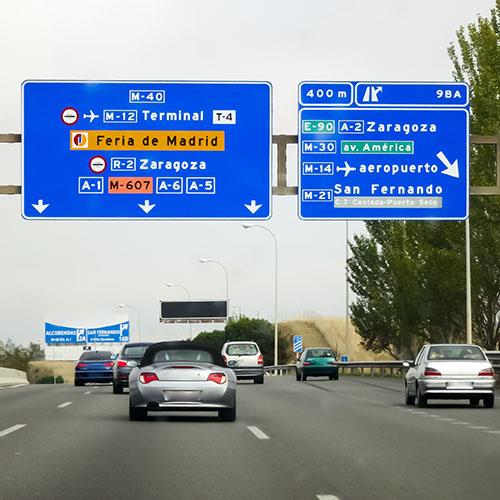
With one of the most extensive systems of roads and highways in the world, Spain is very easy to traverse by car. Major highways (<I>autopistas</I> and <I>autovías</I>) connect all of Spain`s 45 mainland provinces with one another. Let us help you find your ideal Spanish road trip that`s tailored to your desires.
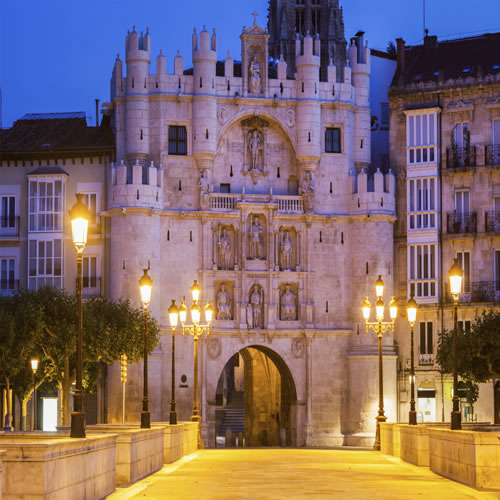
The Spanish Empire dates from 1492, and by 1516, the Kingdoms of Castile, Aragon, Navarre, and others were united under the Spanish crown. This is in addition to other storied kingdoms which existed pre-1516 in Spain`s current borders, such as Galicia, Leon, and the Almohad Caliphate. The cities in these regions are filled with thousands of years of history.

Tens of millions of people visit Spain each year, and many combine its picturesque cities, such as Madrid, with some of the most popular and beautiful beaches in the world. Whether you`re sunning yourself on the Mediterranean Costas, the Bay of Biscay shoreline, or on one of Spain`s gorgeous islands, you will find a vacation best suited to your needs.
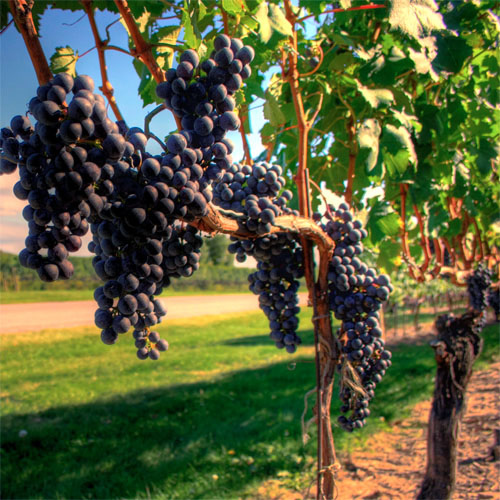
Spain was the third-largest producer of wine in the world in 2017 following Italy and France. The vineyards of Spain cover the largest land area at a sprawling 2.4 million acres! That is 20% larger than the California Wine Estates! Wine has been cultivated in Span since at least 1,100 BC when it was established by the Phoenicians in the Cadiz area.


 Close
more details
Close
more details


